
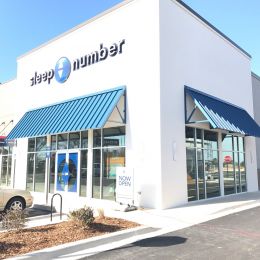
When you want to add enhanced weather and sun protection to buildings, walkways, or other areas on your property, it’s time to invest in a commercial awning—that includes anything from walkway covers and overhead canopies to trellises and sunshades.
When looking for an awning installer, keep in mind that an average construction crew isn’t equipped for the job. It requires professional engineers who always honor warranties, maintain strict code compliance, and have trained proficiency in safety, equipment use, building-specific installation practices, and manufacturer requirements.
Commercial awning projects are investments you need to be confident in, knowing they’re built securely so your patrons can walk around and under them safely for decades to come, and that they will continue to look great, too.
In this guide, we dive deeper into this level of mastery, including why it is necessary and how you’ll find it from our team at Tennessee Valley Metals.
Why Crew Training Matters in Commercial Awning Installation
Commercial awning installations often involve elevated work, site hazards, structural attachment points, and coordination with active buildings or jobsites. Poorly trained crews can create safety risks, installation failures, finish damage, delays, and warranty issues. Training is not just about compliance; it also affects long-term performance and helps minimize the risk of worksite accidents.
Core Safety Training Commercial Awning Installation Crews Should Have
Fall Protection Training
Fall protection training is essential for commercial awning installers to safely perform their work at heights by learning to properly use harnesses, anchors, guardrails, and fall-prevention procedures. It also increases workers’ understanding of the fall hazards associated with working on edges, lifts, or scaffolding.
Ladder and Scaffold Safety Training
Proper ladder and scaffold training ensures crews can safely access installation areas without introducing unnecessary risk. This includes correct setup techniques, maintaining stable footing, and ensuring equipment is positioned on level, secure surfaces.
Installers must also understand weight limits, inspection protocols, and how to identify worn or damaged equipment before use. Improper ladder or scaffold use is one of the most common causes of jobsite injuries. Furthermore, in awning installation, where precision and elevation are both involved, unstable access can quickly lead to costly mistakes or serious safety incidents.
Lift and Equipment Operation Training
Commercial awning projects often require lifts or other access equipment to reach elevated installation points. Crews must have the training to operate this equipment safely and efficiently, including maneuvering in tight spaces and working around building features.
Just as important is job-site awareness. Installers must remain mindful of pedestrians, vehicles, and active entry points, especially when working on occupied commercial properties. Proper training ensures that crews can use equipment without disrupting other operations or creating hazards for others on-site.
Power Tool and Installation Equipment Training
Awning installation requires specialized tools and hardware, including drills, anchors, cutting tools, and fastening systems. Crews must be trained not only in how to use this equipment, but also in its correct use for each specific material and installation condition.
This training includes protecting both installers and building surfaces during installation. Incorrect tool use can lead to damaged façades, compromised anchor points, or poor fitment. Proper training reduces errors, ensures clean finishes, and maintains the structural performance of the awning system over time.
Technical Training Beyond Basic Safety
A strong awning installation crew needs more than safety and jobsite awareness; they also need proficiency with hand and power tools, such as drills, saws, and laser levels. More importantly, they need technical installation knowledge beyond general construction experience.
This separates specialized awning installers from standard construction crews: the ability to execute precise, system-specific installations that align with engineering intent and architectural design.
Reading Drawings, Measurements, and Specifications
It is true that awning installers must be able to read a tape measure and use power tools safely, and that most construction crews can handle that. However, your average construction worker doesn’t have the understanding of the architectural aspects of commercial awnings necessary to perform a quality installation service.
A true professional in awning installation knows how to interpret shop drawings and site dimensions, and understands optimal attachment locations, clearances, slope, and projection. They don’t make many errors on the site, if any—especially not by making bad measurements.
Understanding Building Conditions and Attachment Methods
Crews can install commercial awnings across a wide range of building types and materials, and each presents its own set of challenges. Installers must understand how different substrates—such as aluminum, concrete, masonry, plasterboard, steel, and timber—affect attachment methods and load distribution.
Proper training includes recognizing structural support points, accounting for waterproofing requirements, and protecting the building façade during installation. Crews must also know how to select the correct anchors, fasteners, and sealing methods for each condition.
Matching the installation method to the building is critical. Without this knowledge, crews risk improper anchoring, water intrusion, or long-term structural issues that compromise both the awning and the building itself.
Manufacturer- or System-Specific Installation Training
A durable canopy can withstand harsh weather conditions, ensuring longevity and functionality. However, material handling and finish protection matter as much as the quality of the aluminum materials themselves that provide those benefits.
Not all awning systems involve the same installation process. Each system comes with its own materials, hardware configurations, and assembly sequences that installers must follow precisely.
Trained crews understand the specific requirements of the system they are installing, including tolerances, connection details, and finish considerations. This system-specific knowledge helps prevent installation mistakes that can affect performance, void warranties, or lead to premature failure.
Material Handling and Finish Protection
Even the highest-quality aluminum can be compromised if it isn’t handled properly during awning installation. Commercial awning crews must be trained in the correct handling of metal components and coated finishes to prevent damage before the project is complete.
This training includes protecting surfaces from scratches, dents, and contamination during transport, staging, and installation. It also involves careful coordination when working around other trades or active construction areas.
Appearance matters in commercial architectural applications. Awnings are not just functional—they also contribute to a property’s overall aesthetic. A durable canopy can withstand harsh weather conditions, ensuring longevity and performance, but proper handling and finish protection are what preserve its visual quality from day one.
Common Gaps in Poorly Trained Awning Installation Crews
When crews lack proper training, the issues are often easy to spot—and costly to fix. Common gaps include:
- Inconsistent or inaccurate measurements that lead to poor fits
- Unsafe access practices that increase the risk of injury or delays
- Damage to building façades, finishes, or awning materials during installation
- Improper anchoring or sealing, resulting in structural instability or water intrusion
- Poor coordination on active jobsites, disrupting business operations
- Failure to follow manufacturer or system-specific installation instructions
These issues not only affect the immediate installation but can also shorten the awning’s lifespan and create long-term liability concerns.
Why Choose Us for Commercial Awning Installation
Tennessee Valley Metals wouldn’t be a leading manufacturer and supplier of commercial awning systems without our crews. We aren’t just familiar with the systems we install, we’re the ones who design and engineer them, and have:
- 30+ years of experience
- Essential Certifications
- Skills kept sharp with ongoing training
- Consistent compliance with local regulations
- Commitment to the highest level of safety and best practices
- A reputation for excellent project organization and site coordination
We’re equipped to design, engineer, and install custom aluminum awnings, canopies, walkway covers, and sunshades. We can help meet most building budgets and needs with our commercial awning products. Our company also uses only high-quality metals to manufacture awnings, ensuring enhanced durability and longevity.
Check out our project portfolio here for proof of our capabilities.
Contact Us About Your Commercial Awning Project
To discuss installation requirements, project planning, awning system options, or estimates, contact our agents here. We’ll help you evaluate project needs and installation considerations, and coordinate closely with you to define all specifications and features, ensuring every part of the design and installation process aligns with your vision for the business.